There are things that age well with time letters tucked inside books, the smell of rain on old soil, songs that suddenly find you again. And then there are things that don’t age at all. Like childhood. Like Ajji mane.
Chukki didn’t grow up writing stories; she grew up living them. Words were always there, running alongside her thoughts, noticing everything, but they never sat still long enough to be written because there was always something happening. And most of it began at one place: Ajji mane, Ammamma mane, Dodda mane whatever you called it, you knew what it meant.
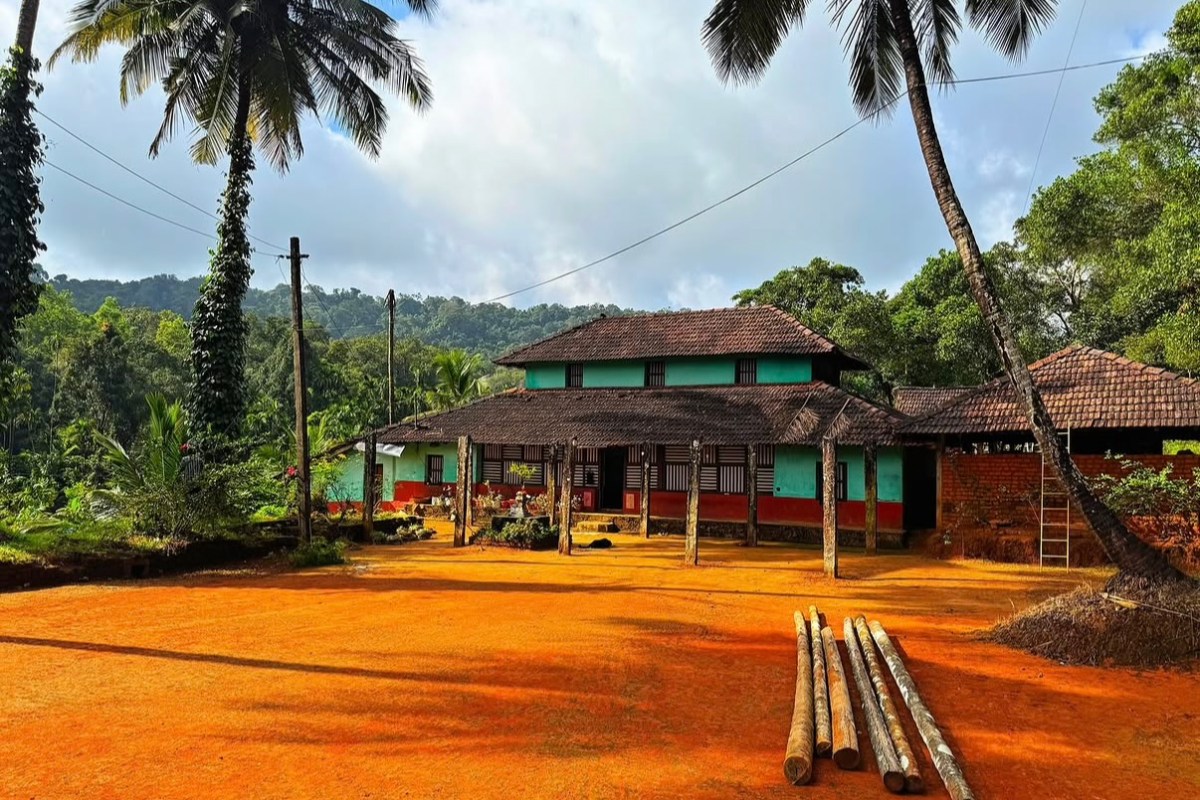
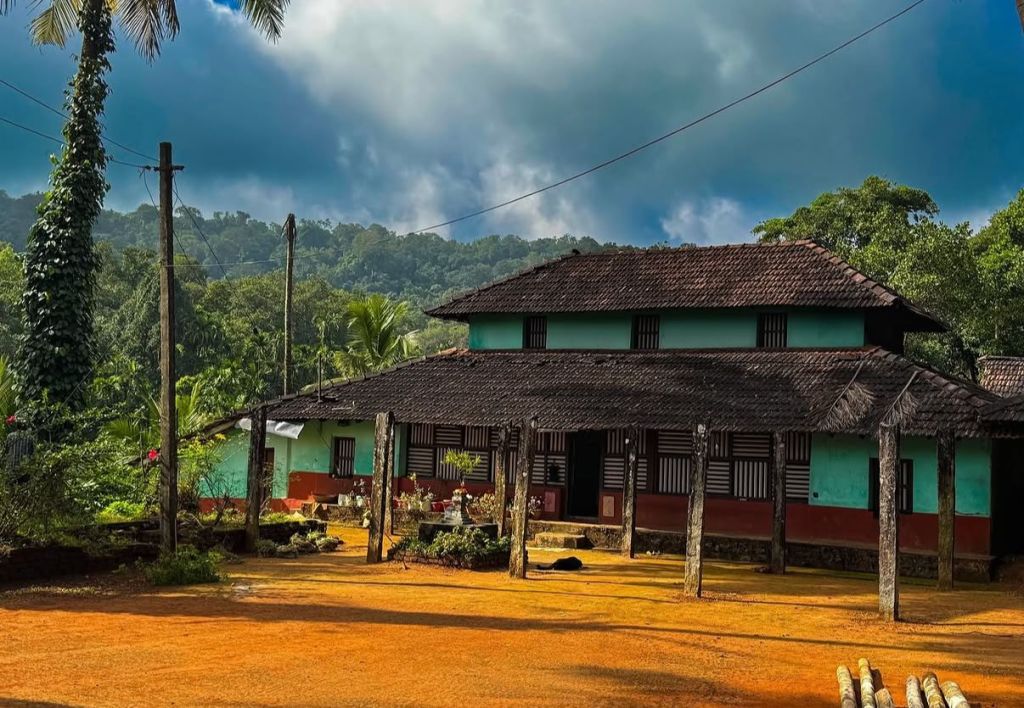
The house didn’t look big from outside But step in and suddenly—you realised… there was so much space. Not the kind you measure.
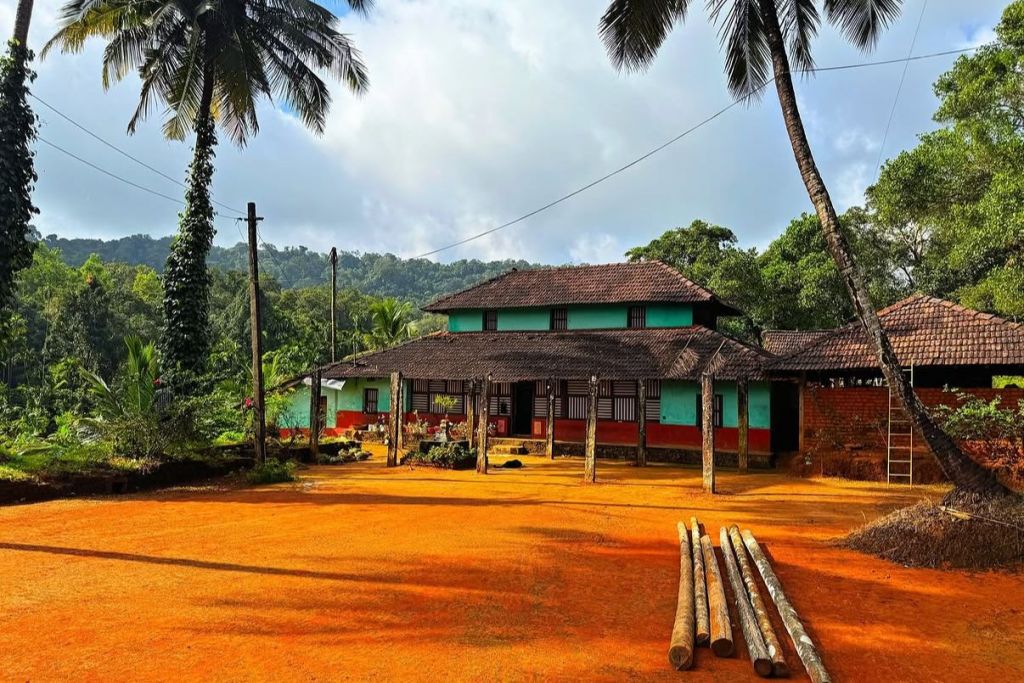
The kind you just… run into. An open area big enough (in every child’s expert opinion) for at least two badminton courts. A garage that somehow doubled up as a hiding spot, meeting point, and occasional “important discussion zone.”
And all around tengin mara. Tall coconut trees, quietly doing their thing, dropping the occasional coconut just to keep everyone alert. At least six of them. (Counted multiple times. Always with different answers.)
And then the garden. Super neat – Well planned but always had “Biliya” sitting on the lawn! Too fair. Almost milky white. Like it had been made with extra care. And then flowers showing up without invitation, and one big tree near the gate that spread itself so wide, it created the perfect shade as if it knew people would stop there, talk there, exist there.
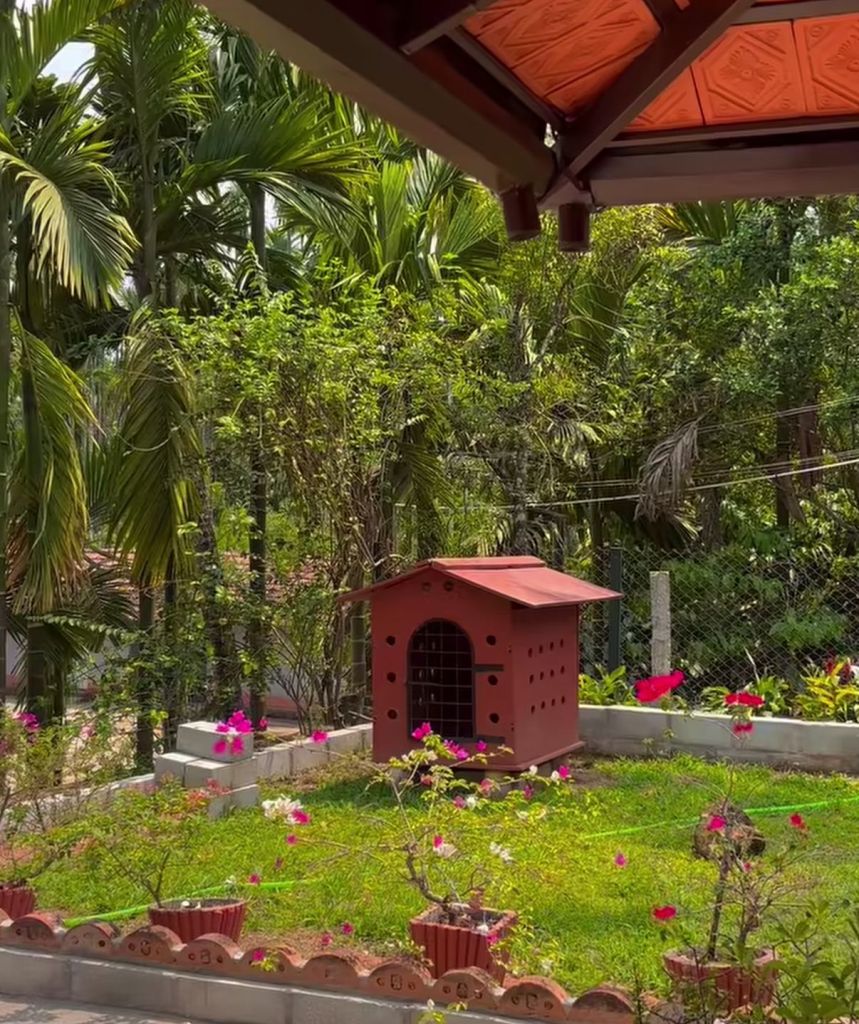
And of course, the mango roomlocked, always locked which automatically made it the most important place in the house. A whole room full of mangoes, ripening quietly, smelling like happiness and summer holidays. Chukki and her cousins would stand outside like detectives, sniffing the air, convinced that today would be the day it opened (it almost never was, which made it even better).
Then there was the baavi (well) deep, serious, slightly scary, and therefore perfect. Every child was warned about it, which meant every child was extra curious about it. Chukki would sit on the cool stone steps, peeping in, imagining underwater kingdoms and hidden treasures, (kappes and arge fishes can survive together? was the thought process) while the well said nothing and that silence and the water sound somehow made it magical.
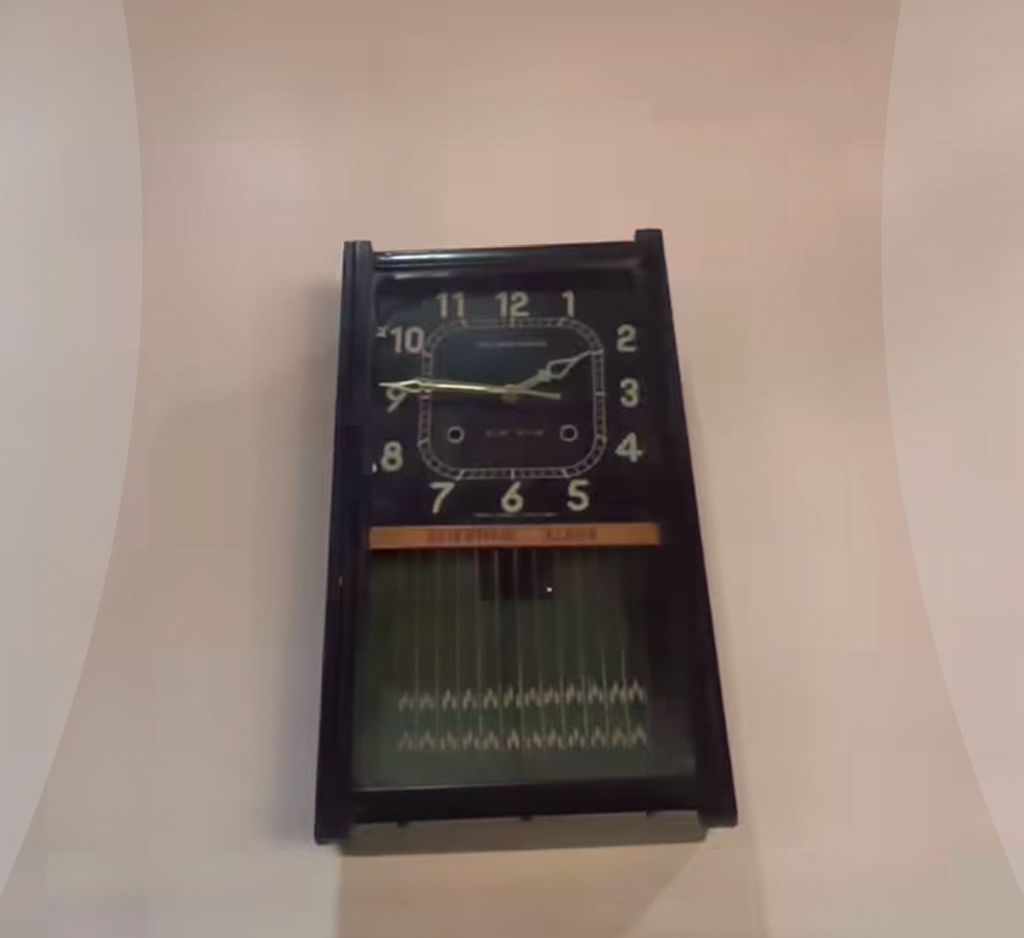
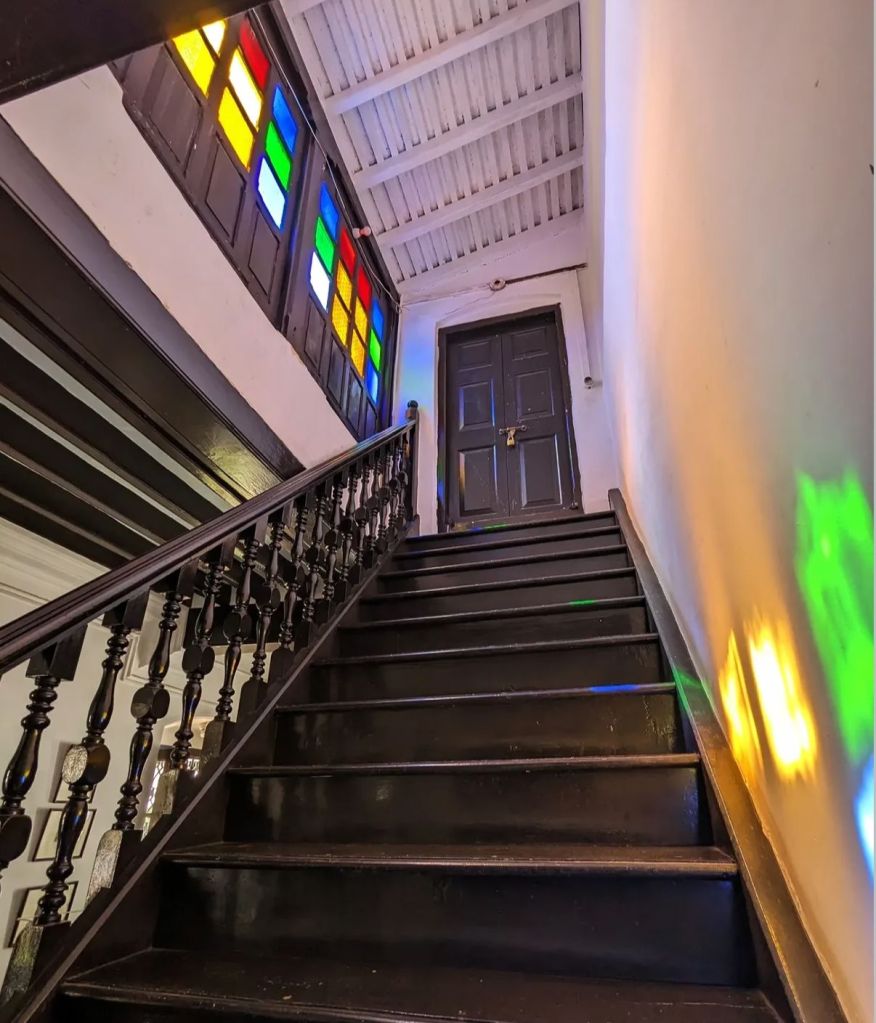
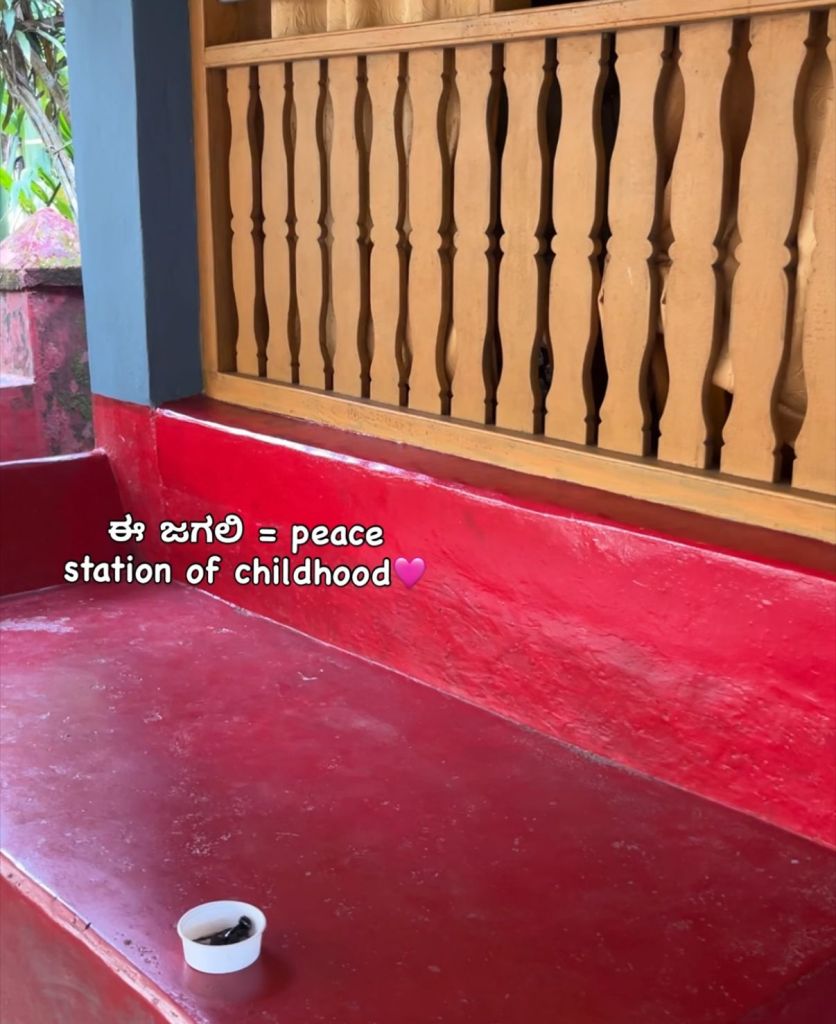
Inside the house, things didn’t just work; they needed involvement. The radio didn’t play unless you tuned it with patience, like convincing it you deserved music, and the clock worked only when someone adjusted it properly, as if time itself needed supervision. The chairs made of “betha” bent but never broke, which also meant they were perfect for climbing, swinging, sitting sideways, upside down, or in completely incorrect ways (no one approved, everyone did it anyway).
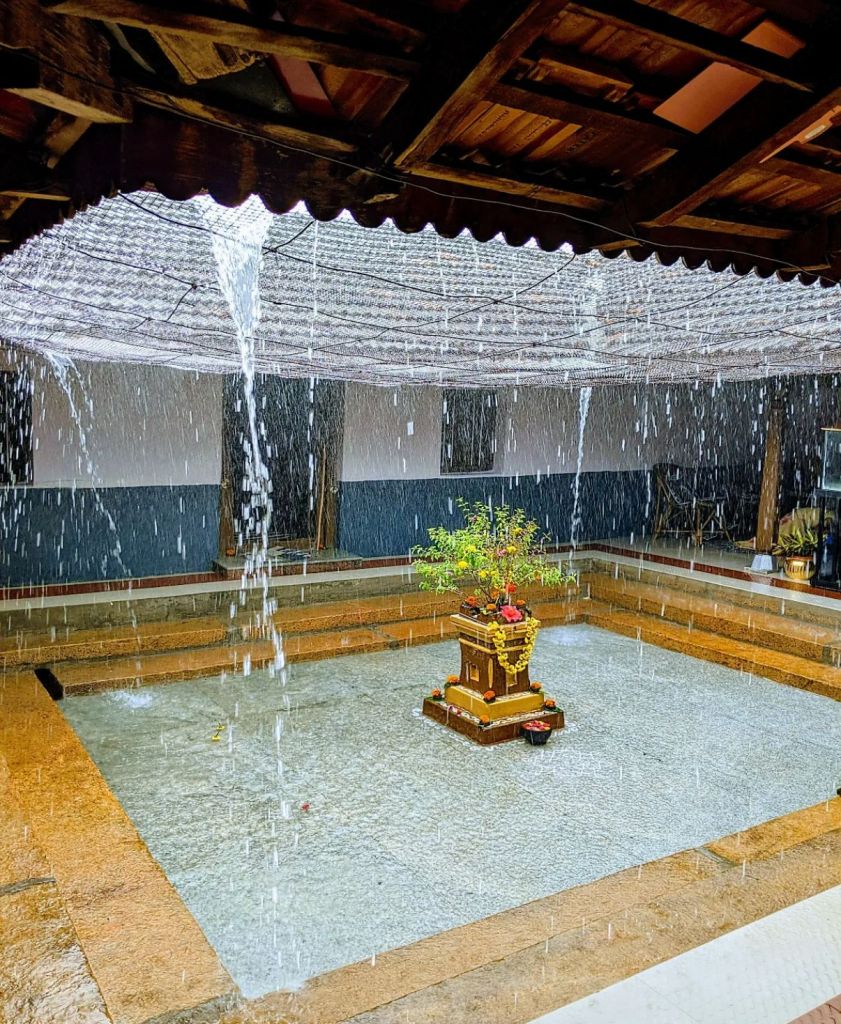
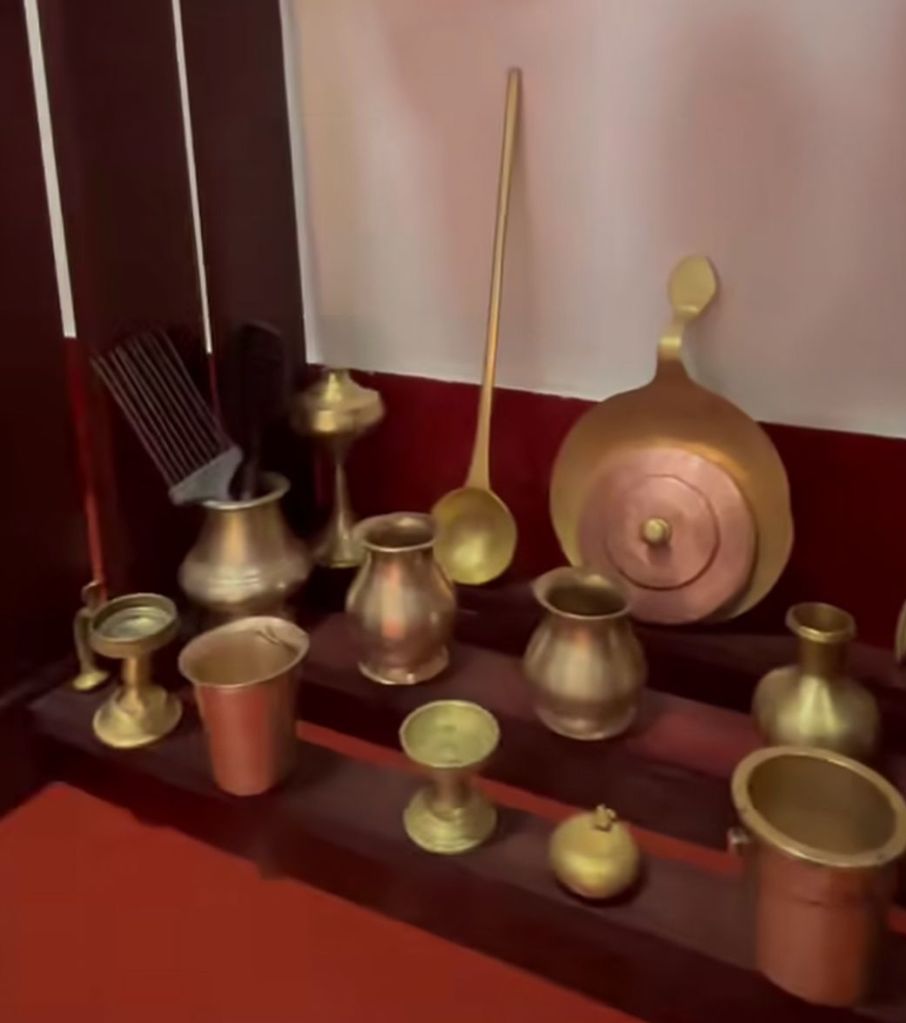
And then came the heart of the house the kitchen where there was always food, not sometimes, always. Happala drying in the sun like little solar panels, Chakli spirals too pretty to eat but eaten immediately, nippattu snapping loudly like it had opinions, Rave unde soft and impossible to stop at one, and akki rotti hot, fresh, slightly uneven, and absolutely perfect. There didn’t need to be a festival food was the festival. You never said “I’m hungry”; someone would just appear and say, “baare illi putti togo,” and that was that.
And then the cousins. They didn’t arrive; they exploded into the house. Suddenly there was noise everywhere, running everywhere, fights over absolutely nothing, laughter over even less.
Games would just begin no announcements, no rules written anywhere, everyone just somehow knew. Chowka baara, pagad – the real deal. That intense focus while throwing the shells like life depended on it: “4 beku… 4 beku…” rolls… not 4 instant drama. But Ammamma? Different level. If she wanted 4, it somehow came. If she wanted 6, it definitely came. There was a whole technique hold, pause, drop. Chukki is at least 70% convinced it was skill (30% still suspicious 😄).
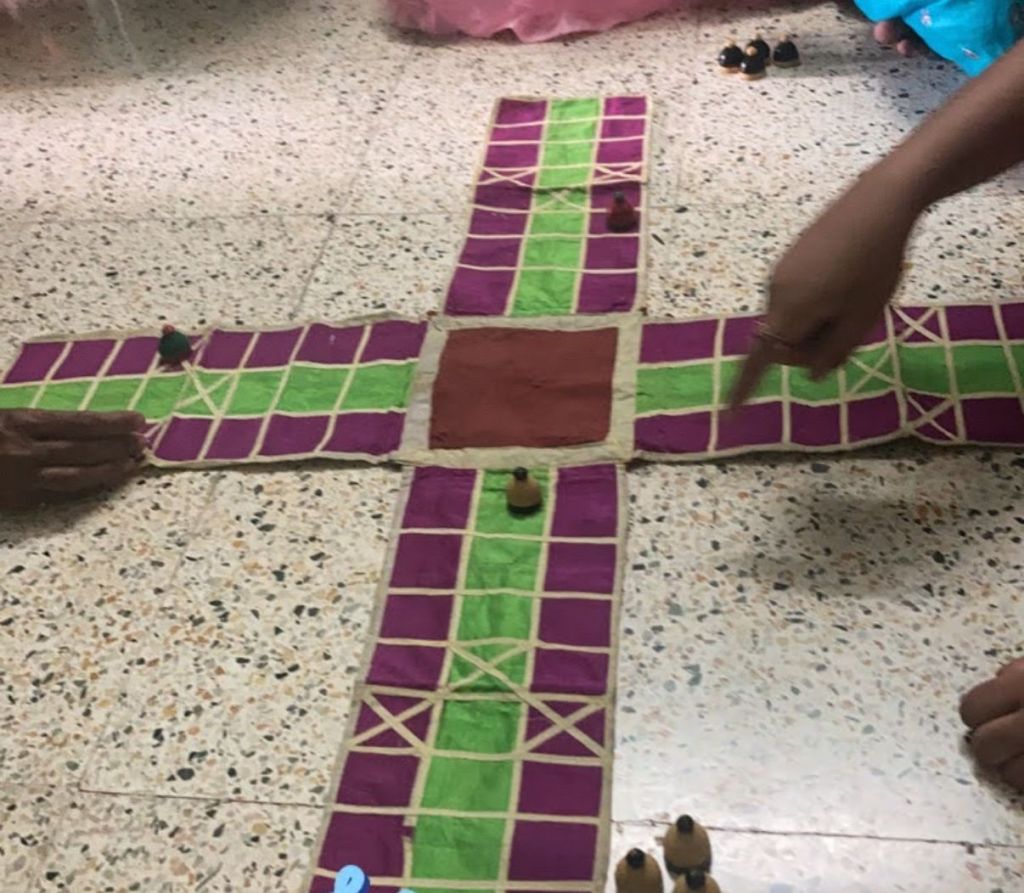
Then came the running games aluguli mane, hanumantha hanumantha (our version of puje aata -Dedicated devara mane for kids too) full speed, no brakes, no concept of personal space, and at the end, prasada was a must, obviously, because what is a game without food? 😀
Evenings would slow down into badminton, carrom boards the soft tok of the striker, that one cousin who always hit too hard, that one who argued like it was a court case. And somehow, these games never really left. Even now, pagade or chowka baara is still Chukki’s favourite. Game nights feel essential like something that should just exist but it’s been so long now it almost feels ancient. The last proper game was before COVID, at Ajji mane and yes, Chukki won, teaming up with her oldest sister who doesn’t really play and happily gives away her chances, which, of course, makes Chukki very strategic about always choosing her as a partner. Some strategies don’t change, and some games were never really about winning anyway.
In the middle of all that chaos, ammamma was calm. She didn’t rush, didn’t over-explain, didn’t make a big deal of anything she just knew. Who liked what. Who needed food. Who needed silence. Who needed that one look that said everything without a word. And then there were her hugs. The saree pallu would come around like a soft curtain, and suddenly, you were in a different world. Quiet. Warm. Safe. No expectations. No explanations. No need to be anything at all. Just held.
Somewhere along the way, Chukki realised something else too—she had always dreamt of having an ooru.
Not just a place, but that feeling of being tucked away, held by land and silence and familiarity. And then, one day not very recent, but recent enough to stay she found herself in Malenaadu, in Theerthahalli, at her mom’s ajjan mane (her mother-in-law, whom she simply calls mom), tucked between stretches of green, mostly adike farms.
It felt right immediately, like stepping into a place her heart already knew. It was simple, soulful, the food honest, the people even more so. And when they said “Theerthahalli,” her eyes would light up in a way that needed no explanation—there was a calmness, a softness, almost like a whole life lived in that one word. “Oh… olle oota,” she would say, with that deep satisfaction only memory can hold. Nidde. Oota. Thota. Devasthana. Harare. That was it. That was the world.
And Chukki realised something quietly she had never asked her what it felt like back then.
Not now, when it feels remote and tucked away but forty years ago, when she was young and this was simply life. Did it feel big? Did it feel enough? Did she know it was special? Or did it only become special later, like all childhoods do? And suddenly, Chukki knewshe wanted to ask. Not just out of curiosity, but to understand a kind of life that had quietly shaped everything.
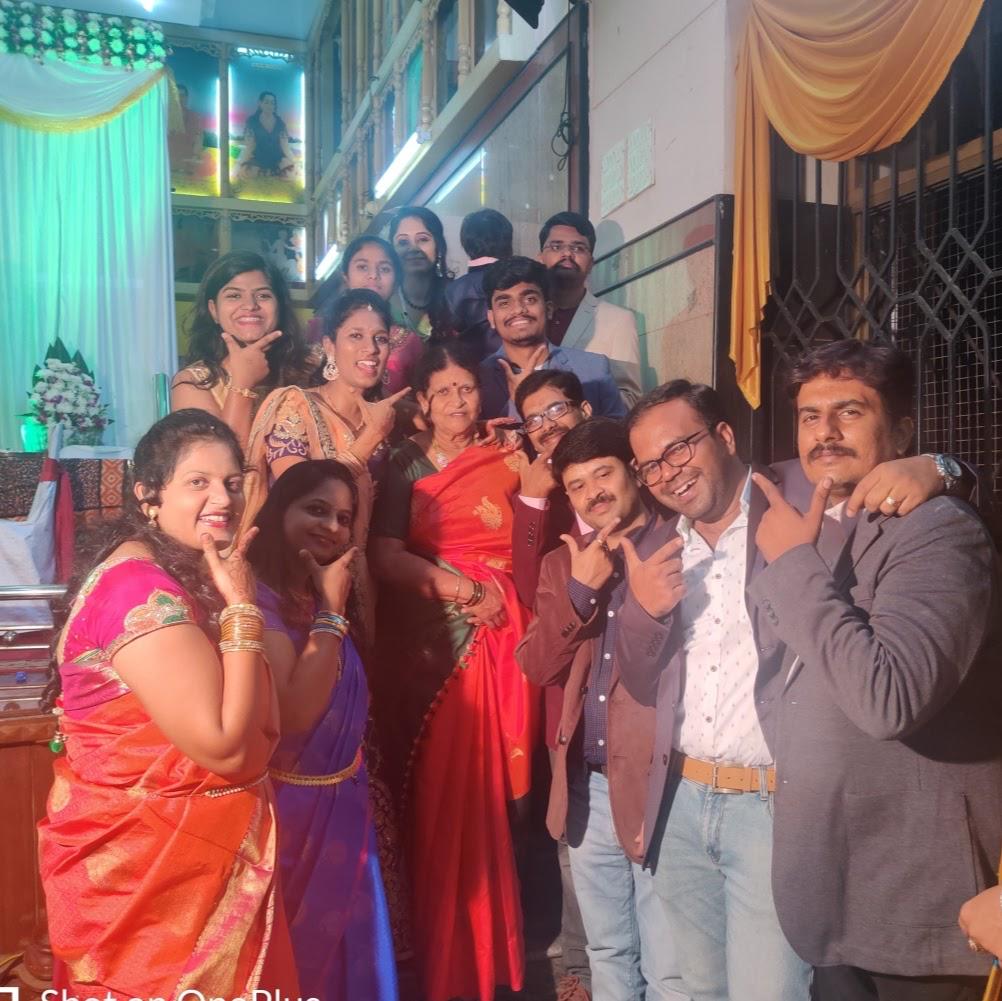
At that age, Chukki didn’t think any of this was important she just lived it. No reflections, no “core memories unlocked,” nothing just running around, eating non-stop, and being mildly scared of wells.
Years later, suddenly it all makes sense why she notices the tiniest things, why slow moments feel like luxury, why she firmly believes love doesn’t have to be loud to be real. Because Ajji/Ammamma mane wasn’t just a house it was training. Soft, invisible, lifelong training. Teaching her that some things need patience (like radios that refuse to cooperate), some things need care (like clocks that work only when they feel like it), that love shows up daily (mostly in the form of unsolicited extra food), but some people stay.
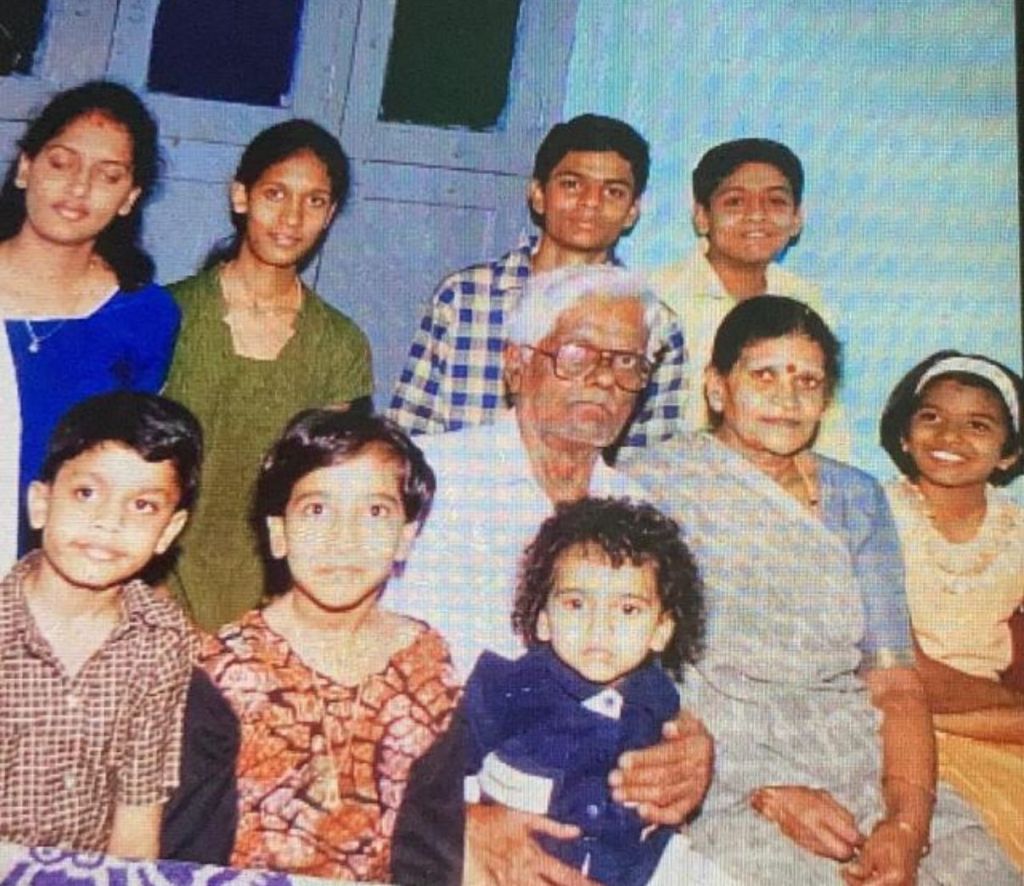
And slowly, her thoughts begin to move forward to a life she hasn’t lived yet, to a home to children who will definitely open the wrong doors, fight over snacks, and stand outside some locked room convinced this is the day it will open. And one thought makes her smile they will have this too. They will have grandmothers, the best ones the kind who don’t count love, who don’t let you leave without eating (even if you just ate), who wrap you in unconditional love and the eyes that expresses love its priceless it fixes everything. Because every child deserves that not just for the memories, but for the person they become (and also for lifelong access to unlimited snacks). 😀
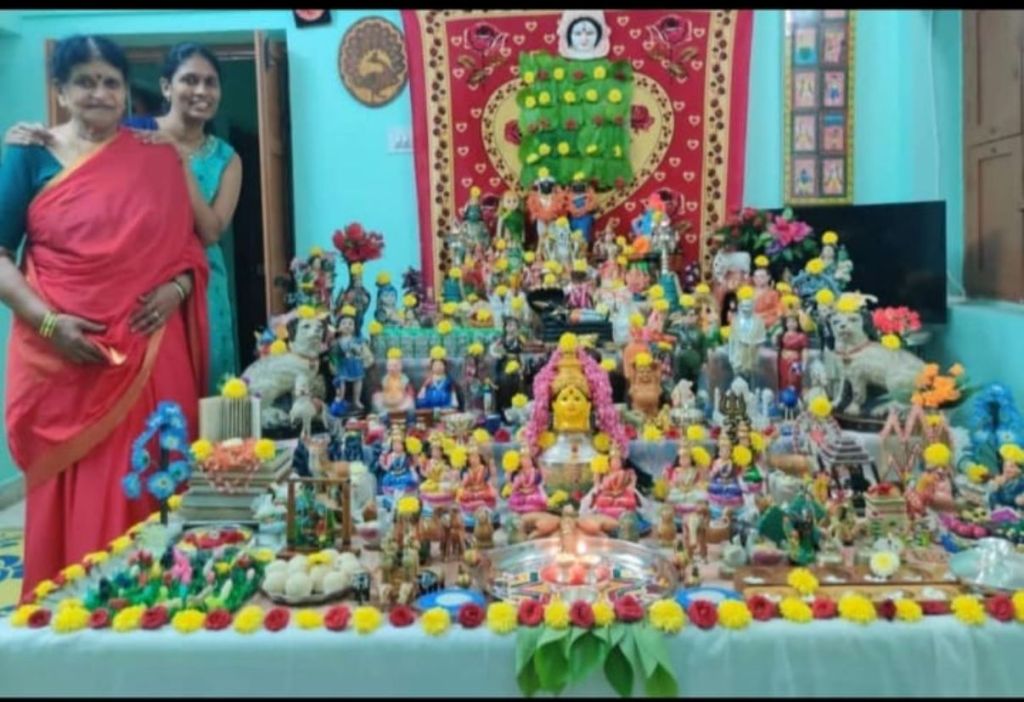
Chukki has always loved like that not halfway, not carefully… fully. Whenever she has loved people, places, stories, this world, the sea, the stars, the words, her work everything, she has loved wholly, without distraction. The kind of love that doesn’t calculate, doesn’t pause, doesn’t ask “what if.” She has dived head-first into it all sometimes like a child, sometimes like a comet: bright, intense, a little reckless.
Yes, sometimes she has burned out… but honestly, she wouldn’t have it any other way. Because on a slow afternoon, when everything is quiet and life finally stops acting busy for a second, she realises despite the daily nuances, despite the drama, despite the occasional “why am I like this?” what a beautiful thing it is to have felt life fully. To know nothing was loved halfway. And that no one can take away. For now though, there is a lot of work. A lot of it. Chukki says bye bye!
Tell me—did you have something like this too?
Different stories, different houses, different people… but somehow the same feeling. Ajji Mane/Ammamma mane! Being overfed, over-loved, slightly chaotic and completely fine because of it. I have a strong feeling you had a pretty jolly ride too 😄💛
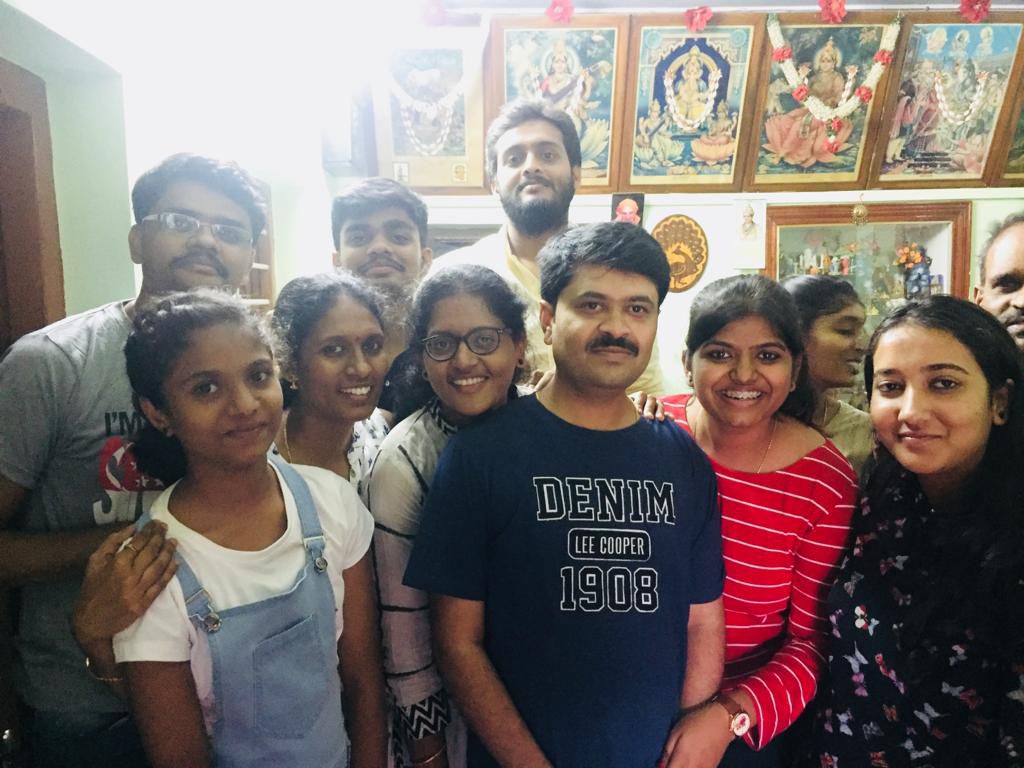
Sharing the last few snippets..
 prakruthivivekblog.com